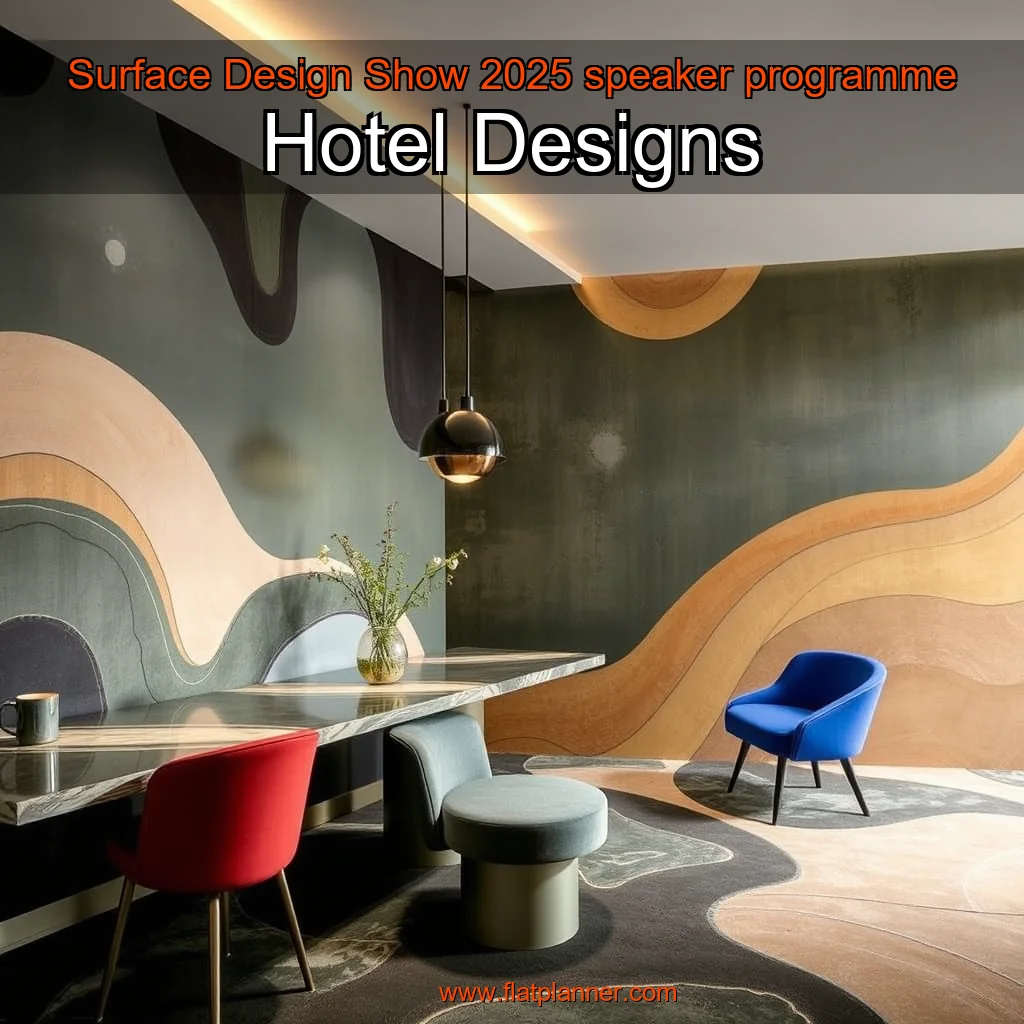
The Designer Hubs is a space designed to foster creativity and collaboration, with comfortable seating, natural light, and plenty of outlets to keep devices charged.
The Debate: A True Companion? The Power of AI in A&D
The debate A True Companion? The Power of AI in A&D is a thought-provoking discussion that delves into the potential of Artificial Intelligence (AI) in the field of Architecture, Design, and Engineering (A&D). The debate features a panel of experts, including architects, engineers, and AI researchers, who share their insights on the benefits and challenges of integrating AI into the A&D process. Key takeaways from the debate include:
The Designer Hubs: A Space for Creativity and Collaboration
The Designer Hubs is a unique space designed to foster creativity and collaboration among A&D professionals.
The Rise of Material Passports
In recent years, the concept of material passports has gained significant attention in the fashion industry. These digital documents serve as a platform to track the origin, production process, and environmental impact of materials used in clothing and textiles. The idea is to provide transparency and accountability in the supply chain, enabling consumers to make informed choices about the products they buy. Key benefits of material passports include:
The Role of Material Passports in Sustainability
Material passports play a crucial role in supporting sustainability and ethical sourcing in the fashion industry. By providing a digital record of materials, they enable brands to:
For example, a fashion brand using material passports can track the carbon footprint of their cotton production, identify areas where they can reduce waste, and make adjustments to their supply chain accordingly.
Unlocking Material Innovation with The Futures Lab
The Futures Lab, a leading innovation platform, has been exploring the concept of material passports through their talk, “Firing Up the Future”. Colin Macgadie, Founder of ForEveryday, shared insights on the potential of material passports to revolutionize the fashion industry.
Collaborative efforts are key to building a more sustainable future.
The Importance of Partnerships in Sustainability
In today’s fast-paced world, the pursuit of sustainability has become a top priority for individuals, businesses, and governments alike. As the world grapples with the challenges of climate change, environmental degradation, and social inequality, the need for collaborative efforts has never been more pressing. Partnerships in sustainability are a crucial step towards building a more circular and environmentally conscious future.
The Benefits of Partnerships
They will be joined by the Legends Live 2023 host, Ayesha Kazim, who will be discussing their own career journey and what inspired them to pursue their passions. The second session will be led by Lisa Thomas, CEO of the British Institute of Interior Design (BIID), who will be joined by two industry experts, Rachel Houlbrook and Jonathan Ross, to discuss the latest trends and innovations in interior design. The two sessions will be live-streamed on the event’s social media channels. The first session of Legends Live will take place on the 29th of November and will be live-streamed on Instagram and Facebook. This will be followed by the second session, which will be held on the 1st of December, live-streamed on Instagram, Facebook, and YouTube.
Sustainable design is key to creating unique and durable surfaces that benefit the environment.
- • Stone is a highly renewable resource. • Stone is a highly durable material. • Stone is a versatile material that can be used in various applications. • Stone is a natural material that can be used to create unique and sustainable designs. ## The Importance of Sustainable Design
- Improved air quality
- Enhanced mental health and productivity
- Increased natural light exposure
- Reduced stress levels
- Improved physical health
- Reclaimed wood
- Bamboo
- Low-VOC (volatile organic compound) paints
- Recycled materials
- Locally sourced materials
The Importance of Sustainable Design
The Surface Design Awards will take place on Wednesday, 5th February, from 18:00 – 20:00 on the Main Stage. This event is a celebration of the latest innovations and trends in the surface design industry.
The Power of Biophilic Design
Biophilic design is an approach that seeks to reconnect humans with nature by incorporating elements of the natural world into built environments. This concept has gained significant attention in recent years, particularly in the context of sustainable design. By leveraging the principles of biophilic design, architects, designers, and builders can create spaces that not only promote well-being but also reduce the environmental impact of their creations. Key benefits of biophilic design include:
For instance, a study conducted by the University of California, Los Angeles (UCLA) found that employees working in offices with natural light exposure had a 15% increase in productivity compared to those without access to natural light.
Sustainable Sourcing
Sustainable sourcing is a critical aspect of biophilic design, as it involves selecting materials and products that are environmentally friendly and socially responsible. This approach not only reduces the environmental footprint of a building but also promotes fair labor practices and supports local communities. Examples of sustainable materials include:
For example, a company like FLOOR_STORY uses sustainable materials in their rug production, such as recycled polyester and natural latex.
to be held on [Date] at [Location]. Join us to explore the best practices and expert insights on creating a beautiful and functional home.
The Art of Creating an Excellent Residential Interior
Creating an excellent residential interior is a multifaceted task that requires careful consideration of various factors, including aesthetics, functionality, and personal preferences. In this article, we will delve into the key elements that contribute to a well-designed and beautiful home.
Understanding Your Needs and Preferences
Before embarking on the design process, it is essential to understand your needs and preferences. This involves identifying your lifestyle, habits, and priorities. For instance, if you work from home, you may require a dedicated workspace with good lighting and minimal distractions. On the other hand, if you have young children, you may prioritize a play area with storage for toys and books. Key considerations: + Lifestyle and habits + Priorities and goals + Family dynamics and needs
Aesthetic Considerations
Aesthetic considerations play a significant role in creating an excellent residential interior. This includes selecting a color scheme, choosing furniture and decor, and incorporating textures and patterns. For example, a modern home might feature a minimalist color palette with clean lines and minimal ornamentation, while a traditional home might incorporate rich colors and ornate details. Aesthetic considerations: + Color scheme + Furniture and decor + Textures and patterns
Functional Considerations
Functional considerations are equally important in creating an excellent residential interior. This includes designing spaces that are efficient, practical, and easy to navigate.