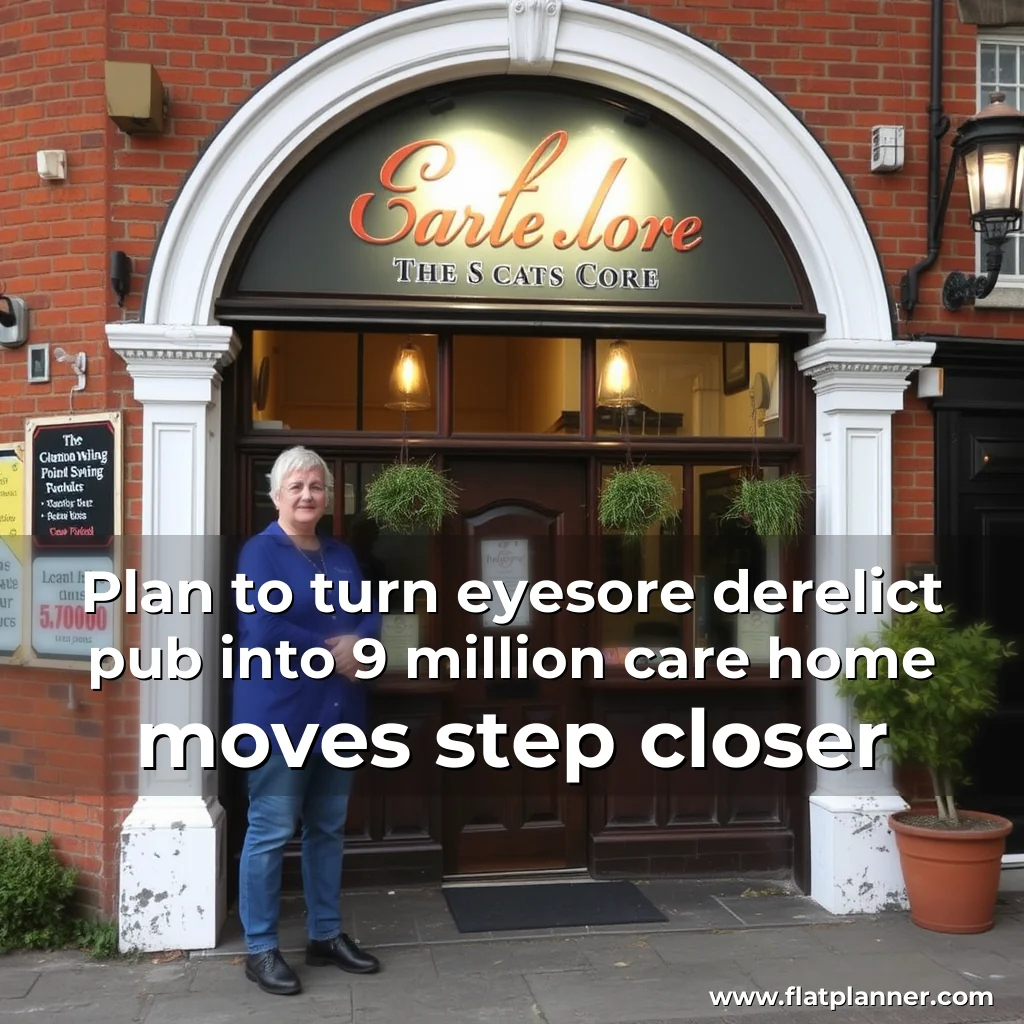
The redevelopment of the former Prince of Wales pub in Solihull Lodge, Birmingham, is a significant project that aims to transform a neglected building into a thriving care home.
This amendment allowed the residents to keep chickens and other small animals, such as rabbits and guinea pigs.
The Role of Urban Farming in Solihull
Solihull Council has been actively promoting urban farming in the area, with initiatives such as the ‘Growing Solihull’ project.
The planning application was submitted to the local authority and was approved. The changes made to the property included:
Changes to the Building Footprint
The application aimed to reduce the building footprint by reorienting parking bays and creating new disabled spaces.
The committee members were impressed by the project’s potential to create a sustainable and environmentally friendly community. The project’s main objective is to develop a sustainable and environmentally friendly community that incorporates green technologies and innovative design principles. The community will be built on a 500-acre site, with a mix of residential, commercial, and recreational spaces.
The community will be designed to be self-sufficient, with its own renewable energy system, waste management, and water recycling facilities.