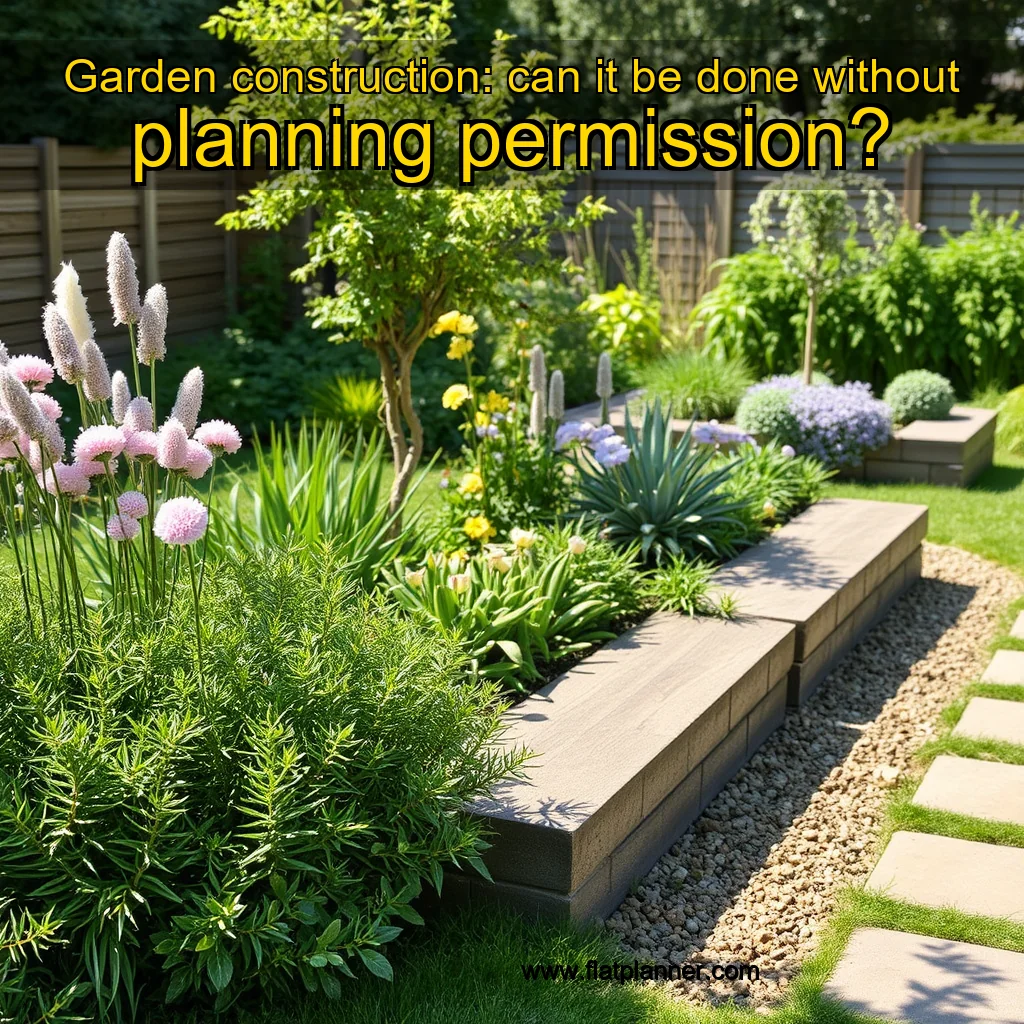
Types of Garden Buildings
There are several types of garden buildings that can be used for various purposes. Here are some of the most common types:
These structures can be used for storage, relaxation, or as a place to enjoy the outdoors.
Building Regulations
While most garden buildings do not require planning permission, there are still building regulations that must be followed. These regulations vary depending on the type of building and its location. Here are some key points to consider:
Design and Planning
While building regulations must be followed, there is still room for creativity and design in garden building projects. Here are some tips to consider:
Planning Permission Requirements
General Requirements
Planning permission is required for most residential developments, including extensions, conversions, and new builds. The specific requirements for planning permission vary depending on the location, type of development, and local planning policies. The development must be substantial enough to require planning permission, meaning it must be significant enough to impact the character of the area or the surrounding environment.
Planning and Design
Understanding the Garden Build Regulations
The Garden Build Regulations, also known as the Garden Building Regulations 2018, are a set of rules that govern the construction and placement of garden buildings, such as sheds, greenhouses, and summerhouses. These regulations aim to ensure that these structures are safe, functional, and do not harm the surrounding environment. Key aspects of the regulations include: + The garden build must not be in front of your home. + The property has been extended, and the front refers to how it stood on 1 July 1948. + Single storeys that are less than three meters high can have a maximum height of 2.5 metres.
Design Considerations
When designing a garden building, it’s essential to consider the following factors:
Garden builds in the UK are subject to specific rules and regulations to ensure they are safe and functional.
It must be used for a specific purpose, such as a garden shed, greenhouse, or outdoor kitchen. The building must be constructed using approved materials and meet specific building regulations.
Planning Permission for Garden Builds in the UK
Overview of the Rules
The rules for planning permission surrounding garden builds are the same across all of the UK. This means that homeowners in England, Scotland, Wales, and Northern Ireland can follow the same guidelines when it comes to building a garden shed, greenhouse, or other outdoor structures.
Key Requirements
It’s important to note that there is a charge for planning permission which is dependent on local authorities.