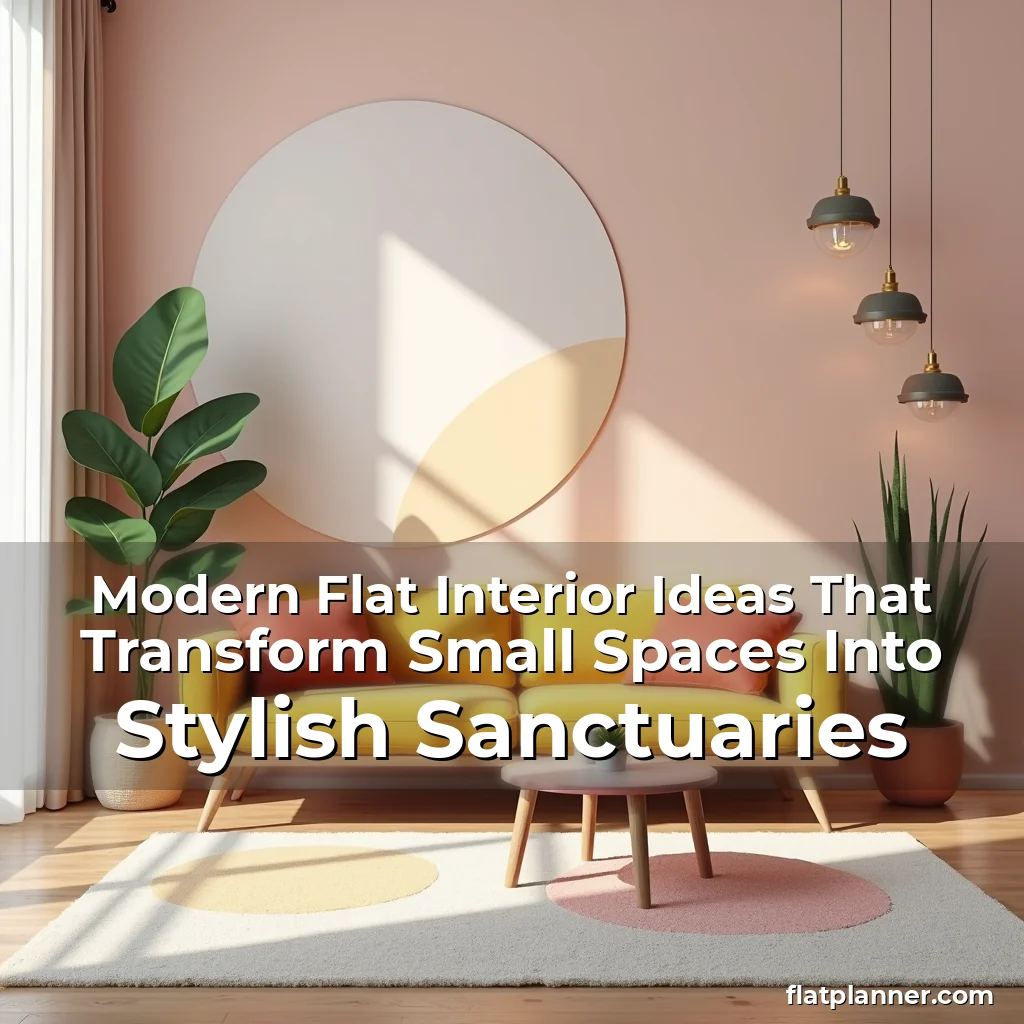
Modern Flat Interior Ideas That Transform Small Spaces Into Stylish Sanctuaries
In an era where urban living is increasingly compact, innovative flat interior design has become essential for maximizing both space and style. Whether you’re downsizing from a larger home or simply embracing minimalist living, clever design choices can turn even the smallest apartment into a comfortable, aesthetically pleasing environment.
This guide explores cutting-edge strategies tailored specifically for small flats, focusing on practical solutions that don’t compromise visual appeal. From smart storage systems to multifunctional furniture, we’ll uncover how modern designers are redefining what’s possible within limited square footage.
The Power of Neutral Color Schemes
A well-chosen neutral color palette forms the foundation of any successful flat interior. Soft grays, warm beiges, and creamy whites create a sense of openness while allowing other elements to shine without overwhelming the eye.
Neutral walls act as a canvas for personal expression through accessories and statement pieces. They also help reflect light better than darker hues, making rooms feel more spacious naturally.
- Gray tones: Provide sophistication while maintaining warmth when paired with wooden accents
- Beige variations: Offer versatility by complementing various styles from Scandinavian to bohemian
Multifunctional Furniture Solutions
In small spaces, every piece of furniture must serve dual purposes. Convertible sofas that transform into beds, dining tables with built-in storage compartments, and wall-mounted desks that disappear when not in use exemplify this principle perfectly.
Smart storage furniture goes beyond basic functionality. Consider modular shelving units that adapt to your needs or ottomans with hidden drawers underneath seating areas. These innovations maximize usable floor space while keeping clutter at bay.
Statistics on Space Utilization
According to recent studies, households in city centers typically have less than half the average square footage compared to suburban homes. This statistic underscores the importance of intelligent furniture selection in urban environments.
Designers report that clients who incorporate multifunctional furniture see up to 30% improvement in perceived room size. This measurable benefit makes such investments particularly valuable for renters looking to optimize their living conditions.
Lighting Strategies for Compact Living Areas
Strategic lighting placement can dramatically affect the perception of space in small apartments. Layered lighting approaches combining ambient, task, and accent lights create depth while preventing cramped feelings.
Slim-profile LED strips along ceiling moldings provide subtle illumination that enhances architectural features without consuming precious wall space. Recessed lighting in kitchens and bathrooms offers focused task lighting without bulkiness.
- Track lighting: Ideal for highlighting art collections or creating dynamic lighting scenes
- Table lamps with adjustable arms: Allow personalized lighting control over workspaces and reading corners
Space-Saving Storage Innovations
Creative storage solutions are crucial for maintaining order in tight quarters. Vertical space utilization becomes especially important when horizontal area is limited. Floating shelves, tall cabinets, and ceiling-to-floor wardrobes all contribute significantly to organized living.
Hidden storage compartments integrated into everyday items offer elegant solutions. For example, bed frames with under-bed storage or coffee tables featuring lift-top trays allow for discreet yet effective organization.
- Built-in cabinetry: Maximizes wall space while providing seamless integration with surrounding decor
- Under-stair storage: Transforms often-wasted vertical space into functional closet areas
Open Floor Plan Advantages
Removing non-load-bearing walls between key living areas creates a fluid spatial experience ideal for small flats. An open kitchen-living-dining layout improves natural light flow and encourages social interaction among residents.
When considering structural changes, consult professionals to ensure safety standards are met. Some cities require permits for certain types of renovations, so understanding local regulations is vital before beginning any project.
Maximizing Natural Light Exposure
Natural daylight has proven benefits for mental health and productivity. Positioning mirrors strategically near windows reflects sunlight deeper into interiors, brightening otherwise dimly lit areas effectively.
Luxury blinds with sheer fabric layers offer privacy without blocking views. They allow diffuse light penetration during daytime hours while maintaining discretion from outside observers.
- Window films: Can reduce glare while preserving exterior visibility
- Translucent glass partitions: Enable light transmission while defining separate zones
Eco-Friendly Design Elements
Sustainable materials and energy-efficient appliances make environmentally conscious choices accessible even in smaller living spaces. Bamboo flooring, recycled metal fixtures, and low-VOC paints combine aesthetics with ecological responsibility.
Energy-saving LED bulbs consume significantly less power than traditional lighting options. Smart thermostats automatically adjust temperature settings based on occupancy patterns, reducing utility bills substantially.
- Recycled wood countertops: Add character while supporting sustainable forestry practices
- Low-emission adhesives: Improve indoor air quality by minimizing harmful chemical release
Personalized Decor Without Clutter
Decorative elements should enhance rather than overwhelm limited square footage. Choose artwork that complements your color scheme instead of overcrowding walls with numerous small paintings.
Furniture scale matters greatly in small spaces. Opt for proportionate pieces that relate visually to room dimensions rather than oversized statements that dominate the available area.
- Statement rugs: Define spaces without adding visual weight through bold patterns or textures
- Functional decor: Incorporate decorative objects that serve practical purposes like planters or bookends
Technology Integration in Modern Flats
Seamless technology incorporation enhances convenience without compromising design integrity. Wireless charging stations embedded in surfaces eliminate cable clutter while maintaining clean lines throughout the space.
Smart home automation allows precise environmental controls via mobile devices. Adjust lighting intensity, monitor security cameras, or manage thermostat settings remotely for optimal comfort levels anytime.
- Touchscreen panels: Centralize entertainment and climate controls in single interface points
- Integrated speakers: Deliver high-quality sound distribution without visible speaker boxes
Community-Inspired Design Trends
Flatplanner communities thrive on shared knowledge and collaborative problem-solving regarding interior challenges. Engaging with online forums provides access to real-world experiences that inform practical decisions.
Local design workshops often feature expert-led sessions covering everything from budget-friendly DIY projects to professional-grade finishing techniques suitable for different skill levels.
- Virtual reality previews: Allow visualization of potential layouts before committing to physical alterations
- Augmented reality apps: Help test furniture placements digitally using smartphone cameras
Future-Proofing Your Flat Interior
Anticipating future needs ensures long-term satisfaction with your chosen design elements. Select adaptable furnishings that accommodate evolving lifestyles rather than fixed configurations prone to obsolescence.
Modular system designs enable easy rearrangement as requirements change over time. Invest in versatile components that integrate seamlessly across various applications and functions.
- Reconfigurable wall systems: Permit adjustments to meet new organizational demands effortlessly
- Versatile textiles: Choose fabrics that transition easily between seasonal themes and activities
Conclusion
Transforming a small flat into a stylish sanctuary requires thoughtful consideration of multiple factors including color schemes, furniture choice, and technological integration. By implementing these strategic approaches, homeowners can achieve remarkable results within constrained spaces.
Remember that beautiful flat interiors emerge from deliberate planning combined with creative experimentation. Continuously refine your approach by staying informed about emerging trends while remaining true to individual preferences and lifestyle necessities.